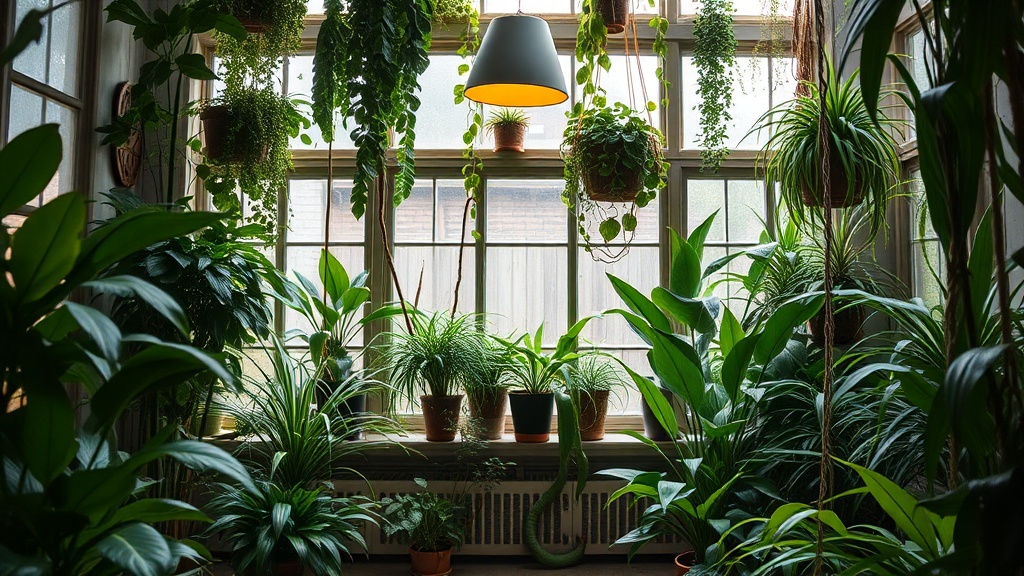
Building a Personal Indoor Jungle from Scratch

Have you ever walked into a room full of lush, green plants and wondered why yours always seem to struggle? This guide breaks down the actual mechanics of starting an indoor garden, from assessing your light levels to choosing the right soil and finding the right humidity levels. We'll cover the specific gear you need, which plants actually survive in low-light apartments, and how to keep your new collection alive without spending a fortune.
Building a plant collection isn't just about buying pretty things; it's about understanding the biology of your specific living space. Most people fail because they treat plants like furniture rather than living organisms. If you get the foundation right, the rest is easy.
How Much Light Does My Apartment Actually Get?
The amount of light your room receives is determined by the direction your windows face and the presence of obstructions like trees or neighboring buildings. You can't just guess this—you need to be precise. A plant that thrives in a sunny window will die in a dark corner, no matter how much you water it.
I recommend using a light meter app on your phone or buying a cheap light meter from a site like Wikipedia's guide to light measurement. You want to know if you have "Bright Indirect Light," "Low Light," or "Direct Sun."
- South-facing windows: These get the most intense, direct sun. Great for succulents or cacti.
- North-facing windows: These provide low, consistent light. Perfect for Snake Plants or Pothos.
- East/West windows: These offer moderate light that shifts throughout the day.
If you're living in a Seattle apartment with a lot of shade (the classic Pacific Northwest struggle), you'll need to rely more on artificial lighting. Don't feel bad about using a grow light. It's a smart move. A simple LED grow light from a brand like GE Lighting can make a massive difference in a dim room.
What Are the Best Beginner Plants?
The best beginner plants are those that can tolerate a bit of neglect and irregular watering schedules. You want species that are forgiving of human error. If you start with a high-maintenance plant like a Fiddle Leaf Fig, you'll probably end up frustrated and out of a plant within a month.
Here is a quick breakdown of reliable starters:
| Plant Name | Light Needs | Water Frequency | Difficulty |
|---|---|---|---|
| Snake Plant | Low to Bright | Every 3-4 weeks | Very Easy |
| ZZ Plant | Low Light | Every 3 weeks | Very Easy |
| Pothos | Medium/Indirect | Once a week | Easy |
| Monstera Deliciosa | Bright Indirect | Weekly | Moderate |
The Pothos is a personal favorite of mine. It grows long, trailing vines that look great on a bookshelf. Plus, it tells you exactly when it's thirsty by wilting slightly—it's almost like it's talking to you. If you want to see how a well-managed environment helps with mental clarity, check out my post on creating a relaxed morning routine. A little greenery can really help set that tone.
How Much Should I Spend on Pots and Soil?
You don't need to spend hundreds of dollars on designer ceramic pots right away. In fact, I suggest you hold off on the fancy stuff until you know your plants can survive. Most of your budget should go into the plant itself and high-quality soil, not the container.
The biggest mistake I see people make is buying "potting mix" from a grocery store and expecting magic. Most cheap mixes are too heavy and don't drain well. You want something airy. Look for brands like Espoma or FoxFarm. These brands provide the nutrients and drainage that a basic dirt bag won't.
Also, remember the golden rule of indoor gardening: drainage is non-negotiable. If your pot doesn't have a hole at the bottom, your plant's roots will sit in water and rot. If you find a beautiful ceramic pot without a hole, keep the plant in its plastic "nursery pot" and just set the plastic pot inside the pretty one. This is called "cachepot" styling. It's a lifesaver for beginners.
Here's the thing: people often over-buy. You'll be tempted to go to the nursery and buy ten plants at once. Don't do it. Start with two. Learn their "language"—how they look when they're thirsty, how they react to a drafty window, and how much sun they actually want. Once you master those, then you can expand.
The Essential Toolkit
- A Watering Can: Get one with a long spout so you can reach the soil without getting the leaves wet.
- Pruning Shears: A clean pair of scissors or specialized shears (like those from Fiskars) will help you keep things tidy.
- Moisture Meter: If you're prone to overwatering, this tool is a godsend.
- Spray Bottle: For plants that love humidity, like Calatheas.
Speaking of humidity, if you live in a dry apartment or use a heater in the winter, your plants might struggle. Most tropical plants crave moisture in the air. You can use a humidifier, or just group your plants together. Grouping creates a small micro-climate where they share moisture. It's a simple, free way to keep them happy.
It's also worth noting that your plants will grow at different rates. A Pothos might grow several inches in a month, while a Snake Plant might do nothing for half a year. This is normal. Don't panic and start adding fertilizer every week—that's a quick way to burn the roots. Most plants only need feeding during their active growing season (Spring and Summer).
If you're finding that your indoor environment is feeling a bit cluttered or overwhelming, you might want to look into designing a functional home office. Plants can be great decor, but if they're everywhere, they can make a small space feel cramped rather than cozy.
One thing I've learned through trial and error: watch the leaves. Yellow leaves usually mean too much water. Brown, crispy edges usually mean too little humidity or too much direct sun. If you pay attention to these small signs, you'll eventually be able to troubleshoot almost any issue without even needing to look up a guide. It becomes second nature.
Don't be afraid to fail. I've killed plenty of plants. It's part of the process. Every dead plant is just a lesson in what not to do next time. Just keep experimenting, keep observing, and eventually, your home will feel like the jungle you've been dreaming of.
Steps
- 1
Assess Your Light Levels
- 2
Select Low-Maintenance Species
- 3
Choose Correct Potting Mix
- 4
Establish a Watering Schedule