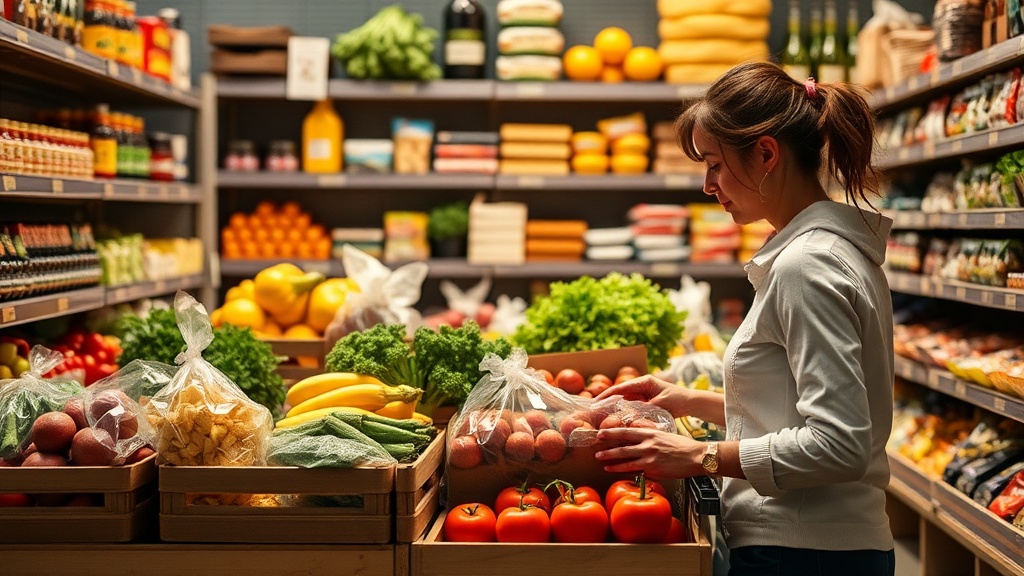
Organizing a Sustainable Grocery Routine to Reduce Food Waste

A heavy-duty plastic bag sits at the bottom of the trash can, filled with a wilted head of romaine lettuce and a container of sour cream that expired three days ago. It’s a common sight in many kitchens—the result of a grocery haul that looked great on Tuesday but became a burden by Friday. This post breaks down how to build a sustainable grocery routine that actually works for your lifestyle. We'll look at inventory management, smart shopping-list habits, and how to store food so it lasts longer.
How Can I Reduce Food Waste at Home?
Reducing food waste starts with a rigorous audit of what you already own before you ever step foot in a store. Most people buy duplicates because they can't see what's hiding in the back of the pantry. It's not about being perfect; it's about being aware. If you don't know you have a jar of marinara in the pantry, you'll buy another one. That's just human error.
Start by practicing the "First In, First Out" method. This is a simple system used in professional kitchens where the oldest items are moved to the front of the shelf. When you get home from the store, don't just shove the new milk behind the old one. Move the older milk to the front so you actually use it before it turns. It sounds small, but it makes a massive difference over a month.
Another way to manage this is through better visibility. Clear containers are your best friend. If you use glass jars from brands like Mason jars to store grains or snacks, you can see exactly when a container is getting low. If you can't see it, you won't eat it. If you won't eat it, you'll toss it.
Here is a quick checklist for a successful grocery run:
- The Photo Method: Take a quick picture of your fridge interior before leaving.
- The One-In, One-Out Rule: Don't buy more of a staple until the current one is nearly gone.
- Meal Mapping: Pick three specific meals you will cook this week and buy only those ingredients.
What Are the Best Ways to Store Produce?
Proper storage involves matching the specific temperature and humidity needs of each fruit or vegetable to your refrigerator or pantry. Not everything belongs in the fridge. For instance, placing tomatoes in the refrigerator can actually ruin their texture and flavor—making them mealy and bland. Keep them on the counter instead.
The way you treat your greens determines how long they stay crisp. If you buy a large tub of spinach from Spam or any standard grocery brand, don't just throw it in the crisper drawer. Wash it, dry it thoroughly, and store it in a container with a paper towel to absorb excess moisture. That paper towel is a lifesaver for keeping things from getting slimy.
Consider this comparison for common grocery items:
| Produce Item | Ideal Storage Location | Pro Tip |
|---|---|---|
| Berries | Refrigerator | Keep in a breathable container; don't wash until ready to eat. |
| Potatoes | Cool, Dark Pantry | Keep away from onions to prevent sprouting. |
| Avocados | Counter (Unripe) / Fridge (Ripe) | Once soft, move to the fridge to pause ripening. |
| Leafy Greens | Fridge (in airtight container) | Add a dry paper towel to absorb moisture. |
The goal is to extend the life of your ingredients so you aren't constantly replacing them. It's a way to save money and reduce your environmental footprint simultaneously. If you're already focusing on a more organized life, you might find that managing your space applies to your kitchen just as much as your office.
How Much Money Can I Save by Reducing Food Waste?
The average household can save hundreds of dollars a year simply by eating what they buy. Food waste isn't just a waste of organic matter—it's a waste of the money you spent to acquire it. When you buy a bag of organic spinach and throw half of it away, you're essentially throwing money into the trash. It's frustrating to watch.
A great way to track this is to look at your receipts. If you notice you're constantly buying the same ingredients but they aren't making it to your plate, your shopping habits need a tweak. Are you buying in bulk too often? Bulk buying is great for shelf-stable goods like rice or pasta, but it's a trap for fresh produce. If you can't finish a gallon of milk before it spoils, stop buying the gallon. Buy the half-gallon. It's a small price increase that saves you from the cost of a wasted gallon.
I often suggest the "Reverse Meal Plan." Instead of deciding what you want to eat and then going to the store, look at what is about to expire and build a meal around that. If the bell peppers are looking a little soft, make fajitas. If the heavy cream is nearing its date, make a creamy pasta sauce. This shifts your mindset from "What do I want?" to "What do I have?"
There's a certain satisfaction in using up every bit of what you've purchased. It feels much better than the guilt of a full trash can. It's a small win for your budget and your conscience.
How to Organize a Grocery List Effectively
Organize your list by the layout of your specific grocery store to save time and prevent impulse buys. Most stores are laid out in a predictable way: produce first, then deli, then aisles (grains, canned goods, snacks), and finally dairy and frozen goods. If you wander through the aisles aimlessly, you'll inevitably pick up things you don't need.
Use a digital app or a simple notepad. If you use a digital list, you can share it with anyone else in your household. This prevents the "double-buy" scenario where two people both buy a carton of eggs because neither knew the other was already on the way to the store. It's a simple fix for a common headache.
When you're actually in the store, stick to the perimeter. The perimeter is where the fresh, whole foods live—produce, meat, dairy. The center aisles are where the highly processed, shelf-stable goods live. While you'll certainly need some pantry staples, the more time you spend in the middle aisles, the higher the chance of an unplanned purchase.
If you find yourself frequently overspending, try shopping with a set budget in mind. Set a limit on your phone's calculator before you even start. As you put things in your cart, keep a running total. It's a way to stay grounded in your actual spending rather than a theoretical one.
A sustainable routine isn't about being a perfect consumer. It's about creating systems that make it easier to do the right thing. Whether that's using a better storage container or just taking a photo of your fridge, these small adjustments add up. You'll spend less, eat better, and feel a lot less guilty about that weekly grocery haul.
Steps
- 1
Inventory Your Pantry and Fridge
- 2
Create a Seasonal Meal Plan
- 3
Shop with a Precise List
- 4
Store Ingredients for Longevity