Curating a Sensory-Friendly Living Space for Better Relaxation

Imagine coming home after a long day of city noise, bright fluorescent lights, and the constant hum of traffic, only to find your living room feels just as loud and chaotic. You sit down, but the texture of the couch feels scratchy, the overhead light is too harsh, and there’s a faint, nagging scent of cleaning chemicals that keeps you from actually relaxing. This post looks at how you can adjust your environment by managing sight, sound, touch, and smell to create a space that actually helps you decompress.
A sensory-friendly home isn't just about aesthetics. It’s about reducing the "sensory load" your brain has to process when you walk through the door. When your environment is too loud, too bright, or too cluttered, your nervous system stays on high alert. By making intentional changes to your surroundings, you can signal to your body that it is safe to rest.
How Can I Reduce Visual Overstimulation in My Home?
Reducing visual overstimulation requires minimizing bright colors, harsh lighting, and unnecessary clutter.
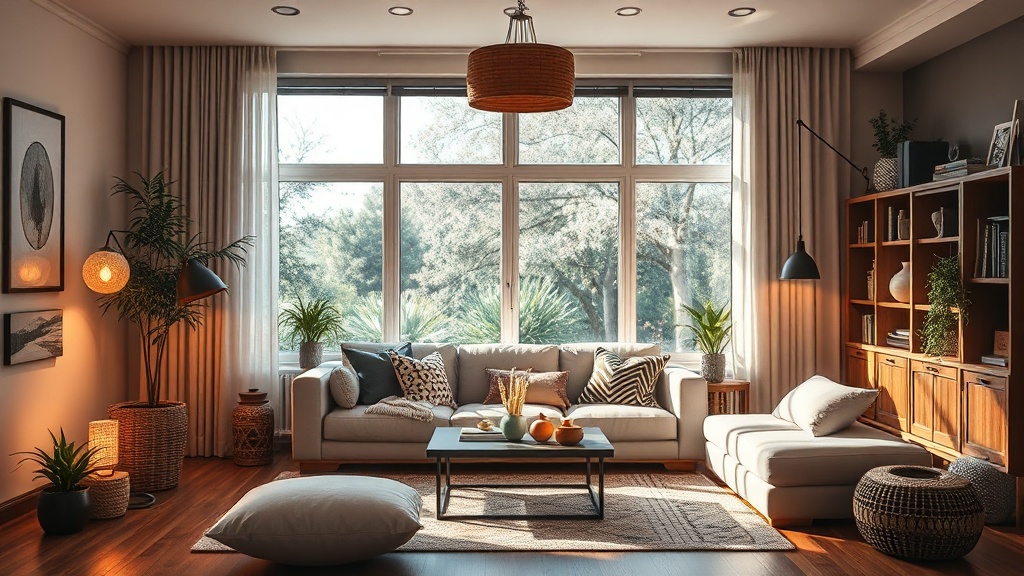
The first thing most people notice is light. Standard overhead lighting—especially the "big light" everyone hates—is often too blue or too bright. This can trigger headaches or even anxiety. Instead of relying on a single, intense source, try layering your lighting. Use warm-toned bulbs and lamps that cast light downward or sideways rather than directly into your eyes.
Consider the impact of color. While a bright red accent wall might look bold in a showroom, it can be exhausting to look at in a small living room. Neutral tones like sage green, soft beige, or muted terracotta are much easier on the eyes. If you aren't ready to repaint, try adding soft textures to break up hard surfaces.
Lighting Comparison: Traditional vs. Sensory-Friendly
| Lighting Type | Visual Impact | Best Use Case |
|---|---|---|
| Standard Overhead LED | High glare, blue light spectrum | Task-oriented work |
| Salt Lamps or Amber Bulbs | Soft, warm, low-intensity | Evening relaxation |
| Dimmable Smart Bulbs | Adjustable brightness levels | Transitioning from day to night |
Clutter is another visual "noise" that many people overlook. Every object on a coffee table is a piece of data your brain has to process. If you struggle with a cluttered mind, try using closed storage. Instead of open shelving where every book spine and knick-knack is visible, use baskets or solid-door cabinets to hide the visual chaos. If you're already into greenery, you might want to look into building a personal indoor jungle to add life to your space without adding "messy" clutter.
What Are the Best Ways to Manage Sound and Noise?
Managing sound involves a combination of blocking external noise and creating a consistent, soothing internal soundscape.
Living in a city like Seattle means you're never truly away from the hum of the world. Even if your windows are closed, you can hear the low-frequency vibration of a bus or a neighbor's muffled TV. To combat this, you can use "sound masking." White noise machines or even a simple box fan can create a consistent blanket of sound that drowns out sudden, jarring noises.
Soft surfaces are your best friend when it comes to acoustics. Hardwood floors and bare walls reflect sound, making a room feel "echoey" and loud. Adding a thick rug (think RuggUSA or high-pile wool rugs) and heavy curtains can absorb those vibrations. This makes the room feel much more "quiet" even if the actual decibel level hasn't changed much—it's the lack of echoes that does the trick.
If you find yourself needing even more control, high-quality noise-canceling headphones are a worthy investment. They aren't just for travel; they are a tool for home-based peace. If you're interested in more ways to lower your stimulation levels, you might find my post on low-stimulation evening routines helpful for your nighttime routine.
How Do I Choose Better Textures for My Living Space?
Selecting better textures means prioritizing soft, predictable, and natural materials over synthetic or abrasive ones.
Touch is a deeply underrated sense in home design. You might love the look of a linen sofa, but if the fabric feels scratchy against your skin, you won't want to sit there. When shopping, always check the material composition. Look for natural fibers like organic cotton, linen, or silk. Avoid anything with a high percentage of stiff polyester or rough synthetics if you have sensitive skin.
Here are a few texture-related tips:
- The "Hand Test": When buying a new throw blanket, touch it with your bare hands. If it feels even slightly irritating now, it will be worse after an hour of use.
- Weight Matters: Many people find comfort in "heavy" textures. A weighted blanket or a heavy velvet pillow can provide a sense of security (and can even help with anxiety).
- Temperature Control: Texture isn't just about feel—it's about temperature. A silk pillowcase feels cool, while a wool throw feels warm. Choose textures that help you regulate your body temperature.
Don't forget the floor. If you have hardwood or tile, a soft area rug isn't just a design choice; it's a sensory boundary. Walking from a hard, cold surface onto a soft, warm rug can actually signal to your brain that you've transitioned from "work mode" to "rest mode."
How Can I Use Scent to Create a Calm Environment?
Scent management involves using subtle, natural aromas to create a sense of place while avoiding overwhelming chemical odors.
Scent is one of the fastest ways to trigger a mood shift, but it's also the easiest way to cause a headache. Synthetic air fresheners or heavy "ocean breeze" sprays often contain phthalates and strong artificial fragrances that can be incredibly jarring. Instead, look toward natural essential oils or soy-based candles.
If you use a diffuser, stick to simple, earthy scents like lavender, sandalwood, or cedarwood. These are generally more grounding than sweet or fruity scents. However, a word of caution: if you share your home with others, always check in with them first. A scent that is "relaxing" to you might be "overwhelming" to a partner or roommate.
It's also worth noting that scent can be used to "anchor" your habits. If you light a specific candle or turn on a specific diffuser every night at 8:00 PM, your brain will eventually associate that specific smell with the permission to relax. It becomes a sensory cue for sleep.
A lot of people forget that "scent" also includes the smells we don't want. A kitchen that smells like old grease or a laundry room that smells like heavy detergent can keep your brain in a state of low-level alertness. Keeping a clean, scent-neutral home is just as important as adding pleasant scents. Using high-quality, scent-free cleaning products can make a huge difference in how "heavy" your air feels.
Designing a space that respects your senses takes time. It isn't a one-and-done task. You'll likely find that a certain rug works for a month, but then you'll realize the color is actually a bit too bright for your mood. That's fine. The goal is to listen to your body and adjust your environment based on how you actually feel in the moment, not how a Pinterest board says you should feel.
Steps
- 1
Audit Your Current Sensory Inputs
- 2
Softening the Visual Landscape
- 3
Layering Tactile Comfort
- 4
Managing Ambient Sound and Scent